


Introduction: The Vital Role of Reefer Shipping in Global Trade
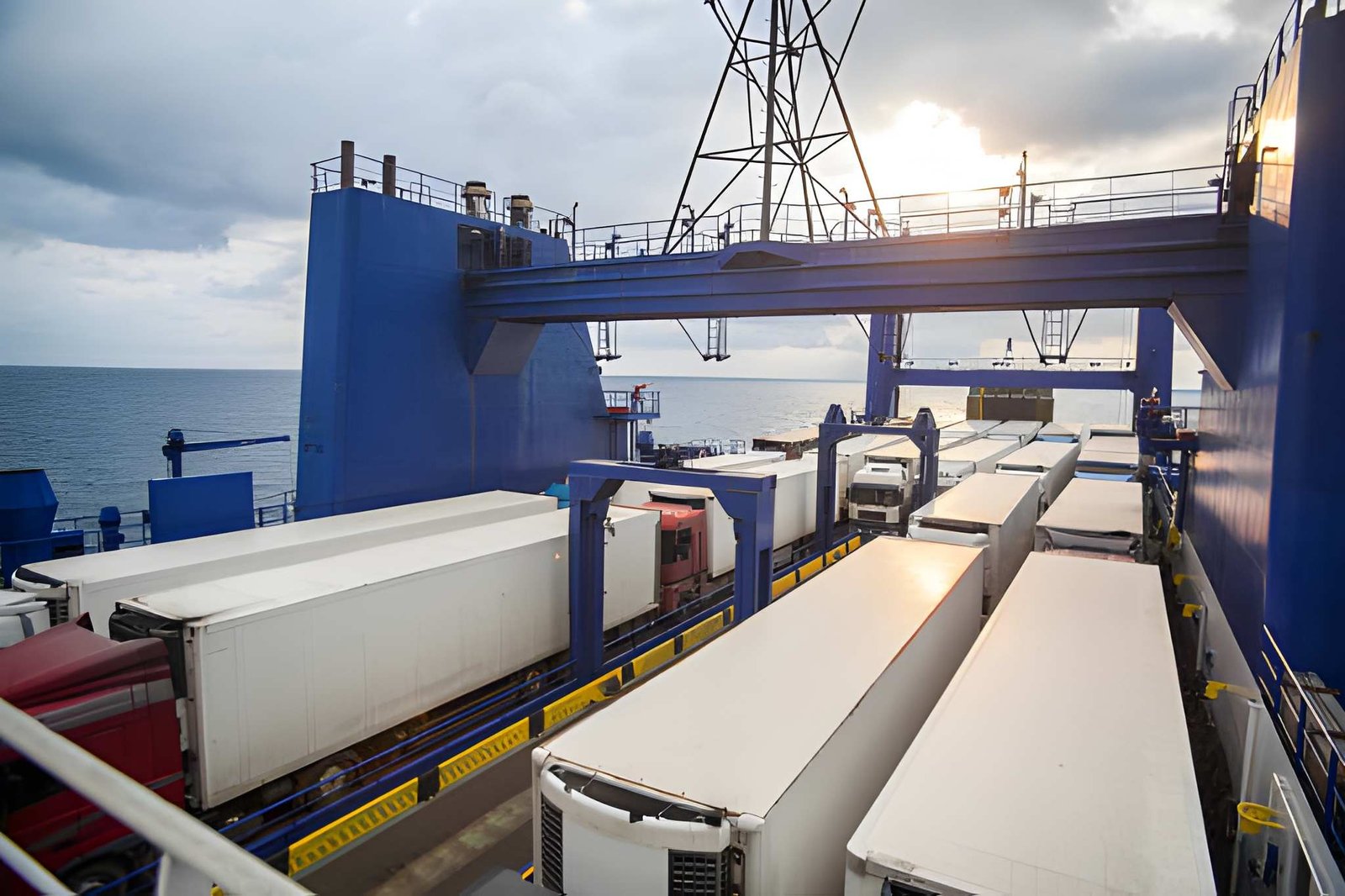
Reefer Container Shipping helps protect temperature-sensitive cargo throughout the ocean freight journey.
In international maritime logistics, preserving cargo integrity during ocean transit is just as critical as transit speed. For temperature-sensitive commodities—including life-saving pharmaceuticals, biologics, fresh fruits, vegetables, seafood, meat, and high-value specialty chemicals—a minor thermal excursion can destroy an entire consignment. This is where specialized reefer container shipping serves as an indispensable lifeline for global commerce.
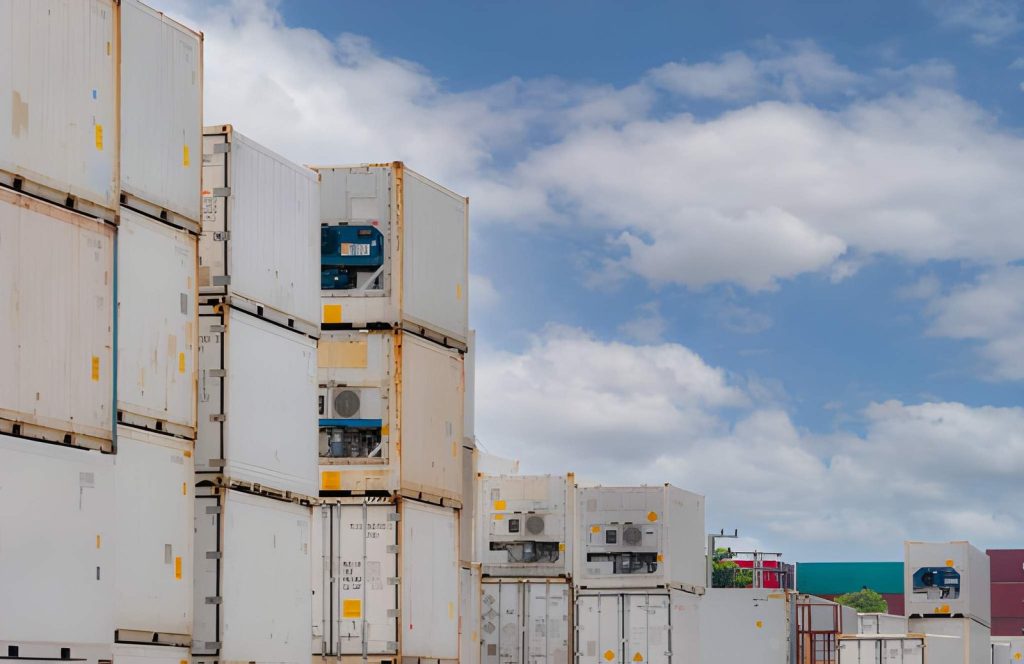
A refrigerated container (commonly termed a ‘reefer’) is an intermodal container equipped with an integrated refrigeration unit capable of controlling internal cargo temperature, relative humidity, and atmospheric gas levels across extended sea journeys. Unlike dry containers, reefers function as mobile, digitally monitored cold storage chambers capable of holding set temperatures across thousands of nautical miles.
Whether transporting fresh produce from India to the Arabian Gulf or distributing healthcare cargo across Southeast Asia, shippers must master the operational nuances of cold chain ocean freight to prevent commercial losses and cargo claims. Partnering with an experienced NVOCC box operator ensures dedicated container capacity and technical handling across major maritime corridors.
How Reefer Containers Work: The Controlled Atmosphere Mechanism
Reefer containers are not designed to pull down warm product to frozen temperatures during transit. Instead, they operate on a forced bottom-air delivery cycle designed to maintain pre-cooled product at its target temperature by continuously removing internal heat.
• Bottom-Air Delivery (T-Bar Flooring): Cooled air is discharged from the evaporator unit at the bottom of the container and forced forward through aluminum T-bar floor channels. The air moves upward vertically through palletized cargo, absorbs ambient heat, and returns to the refrigeration unit via the bulkhead intake grille.
• Fresh Air Ventilation (CFM Controls): Certain fresh agricultural commodities respire after harvest, consuming oxygen and releasing carbon dioxide, ethylene gas, and moisture. Adjustable fresh air ventilation vents (measured in cubic meters per hour) expel ethylene to prevent premature ripening. For frozen cargo and pharmaceuticals, ventilation vents remain strictly closed to prevent ice formation on evaporator coils.
• Humidity & Dehumidification: Excess relative humidity causes moisture condensation and packaging collapse. Advanced reefer systems feature dehumidification controls capable of regulating humidity between 50% and 95%.
Temperature Classifications & Commodity Breakdown
Reefer containers can maintain temperatures across a wide range – from approximately -60°C up to +25°C, depending on cargo and equipment – with specialized cryogenic units capable of even colder settings for niche products such as blood plasma or specialty vaccines:
| Category | Temperature | Commodities | Key Handling Requirement |
| Deep Frozen | -60°C to -30°C | Sashimi tuna, blood plasma, specialty vaccines | Unbroken vessel power, zero thermal deviation |
| Standard Frozen | -25°C to -18°C | Frozen poultry, beef, seafood, concentrated juice | Continuous sub-zero air flow, closed air vents |
| Chilled / Perishable | -1°C to +4°C | Dairy, fresh fruits, leafy greens, table grapes | Active ventilation for ethylene purge, vertical airflow |
| Controlled Ambient | +15°C to +25°C | Finished pharmaceuticals, confectionery, fine wine | Thermal insulation against extreme summer port heat |
Reliable Reefer Container Shipping requires continuous monitoring, correct pre-trip inspection, and suitable temperature settings.
Pharma Reefer Logistics: Meeting Stringent GDP Standards
Pharmaceutical cargo demands strict adherence to international Good Distribution Practice (GDP) standards established by the WHO and global health regulators. Key operational mandates include:
1. Active Refrigeration: Certified active reefers connected to vessel and terminal power are preferred over passive thermal packaging for long-distance maritime corridors, offering dependable thermal autonomy.
2. Multi-Point Temperature Data Loggers: Calibrated USB or IoT wireless loggers must be positioned at the door end and cargo core to record tamper-proof temperature histories.
3. Real-Time Telematics: Modern NVOCC reefer fleets utilize GPS/GSM monitoring to transmit live supply air, return air, humidity, and power connection alarms during transit.
4. Strict Cold Chain SOPs: Documented transshipment protocols ensure reefers are plugged in immediately upon terminal discharge at transit hubs, backed by professional international freight forwarding.
For pharmaceutical and perishable cargo, Reefer Container Shipping supports controlled transport from origin to destination.
Pre-Trip Inspection (PTI): Guaranteeing Equipment Integrity
Before stuffing, every refrigerated container must pass a certified Pre-Trip Inspection (PTI) at the container depot. Technicians verify structural seals, door gaskets, compressor function, electrical wiring, sensor calibration, and run automated cooling and heating test cycles. Shippers should never load cargo into a reefer without verifying PTI certification.
5 Best Practices for Stuffing Reefer Cargo
• Pre-Cool Cargo, Never the Box: Reefers maintain temperature; they cannot chill warm cargo down. Pre-cool all goods in cold storage prior to loading.
• Observe the Red Load Line: Never stack cargo above the marked internal load line, as blocking return airflow causes severe hot spots.
• Secure Pallet Dunnage: Ensure even airflow by filling floor gaps with dunnage so cold air does not short-circuit past the cargo.
• Fast-Track Customs Clearance: Eliminate terminal dwell times by pre-filing import documents through a licensed customs clearance broker.
• Utilize Bonded Cold Storage: Coordinate with warehousing and 3PL services at destination ports like Jebel Ali or Singapore for continuous temperature-controlled deconsolidation.
Frequently Asked Questions
Q: Can a reefer freeze warm cargo during ocean transit?
A: No. Reefers are designed solely to maintain cargo temperature. Loading unchilled goods triggers compressor overloads and surface spoilage.
Q: What is a Genset?
A: A Genset is a portable diesel generator mounted on a reefer during truck or rail transit to supply continuous electric power when outside terminal plugs.
Q: How does Navio Shipping manage cold chain logistics?
A: Navio Shipping manages cold chain logistics through its own fleet of reefer containers, along with access to reefer equipment through its liner agency network. Our reefer containers undergo Pre-Trip Inspection (PTI) to ensure they are in suitable operating condition before deployment. Reefer container inventory is strategically maintained across multiple locations based on cargo requirements and demand, enabling efficient equipment availability and movement.
Commercial Call-to-Action
Navio Shipping can help arrange Reefer Container Shipping equipment and suitable ocean freight options, subject to availability.
Protect your temperature-sensitive cargo with Navio Shipping’s reliable reefer solutions. With our own reefer container fleet, PTI-inspected equipment, and access to additional reefer capacity through our liner agency network, we help support the safe and efficient movement of high-value perishables and pharmaceutical cargo.
Contact Navio Shipping at navio-shipping.com for competitive rates and equipment availability.
