

Introduction: Why Incoterms Define International Supply Chain Profitability
In international trade, misunderstandings regarding who pays for ocean freight, who bears cargo risk during transit, and who handles destination port customs clearance can lead to contractual disputes and unexpected logistics costs. To standardize commercial terms worldwide, the International Chamber of Commerce (ICC) established Incoterms (International Commercial Terms).
The current standard, Incoterms 2020, defines the respective responsibilities, costs and risks of buyers and sellers, including where delivery and risk transfer occur. This guide to Incoterms for Sea Freight compares three terms used in maritime shipping: Free On Board (FOB), Cost, Insurance and Freight (CIF), and Delivered Duty Paid (DDP).
For global importers and procurement managers, choosing the right term affects whether they control freight costs or surrender margins to suppliers. These Incoterms for Sea Freight also help clarify who arranges transportation, who bears cargo risk during transit, and who handles import formalities under the agreed rule.
FOB (Free On Board): Maximum Control for the Importer
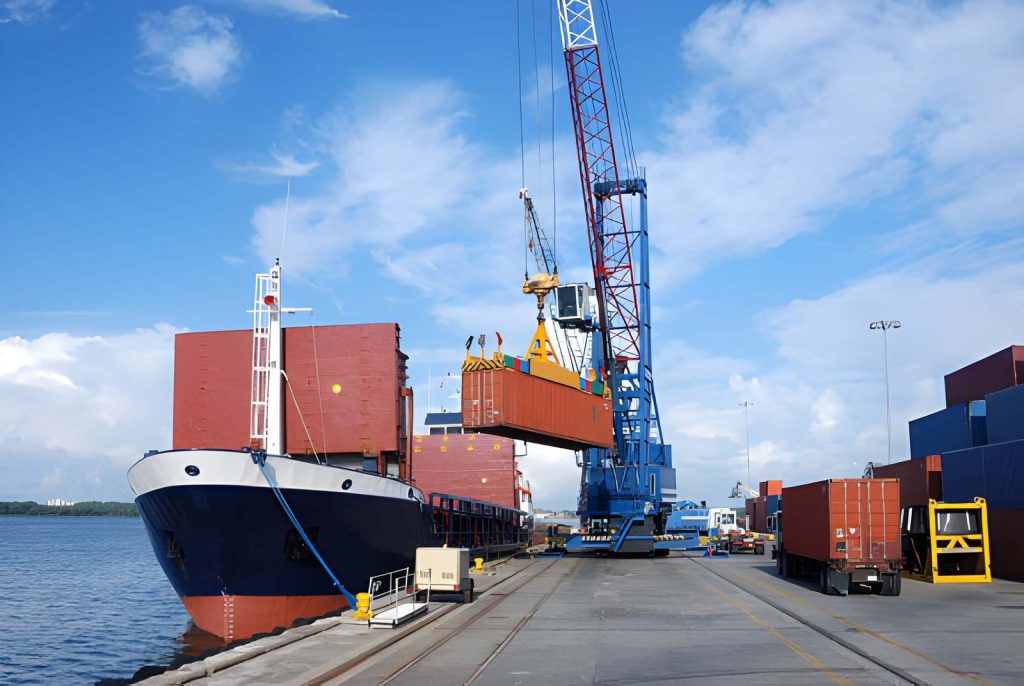
Under FOB (applicable strictly to ocean and inland waterway transport), the seller is responsible for packing, local export trucking, origin export customs clearance, and loading the cargo onto the designated vessel at the specified port of origin.
Moment of risk transfer: Risk passes from the seller to the buyer the moment the goods are safely loaded on board the vessel at the origin port.
Who controls the freight? The buyer (importer) selects and contracts the freight forwarder or NVOCC. The buyer arranges and pays for the main carriage and is responsible for import clearance and applicable destination costs allocated to the buyer under the agreed Incoterms rule.
Why importers prefer FOB: FOB gives the buyer control over ocean freight rates, vessel scheduling, routing, and destination free-time detention terms. Among the Incoterms for Sea Freight discussed here, FOB may suit buyers who want to arrange the main carriage themselves.
For containerized cargo delivered to a terminal before loading, FCA may be more appropriate under Incoterms 2020. Buyers should consider the delivery point and transport arrangement when deciding whether FOB fits their shipment.
CIF (Cost, Insurance, and Freight): The Traditional Supplier-Managed Term
Under CIF, the seller pays for the cost of goods, origin clearance, export loading, ocean freight to the named destination port, and procures marine cargo insurance (minimum Institute Cargo Clauses C coverage).
Critical nuance: While the seller pays for freight and insurance, risk transfers to the buyer as soon as the cargo is loaded onto the vessel at the origin port. Because risk transfers to the buyer at the point of delivery under CIF, the buyer would generally look to the insurance arranged by the seller for covered loss or damage.
Potential cost consideration: Under CIF, the seller controls the main carriage arrangement. Buyers should review the agreed destination charges, delivery terms, routing and any charges payable at destination to understand the full landed logistics cost before finalizing the purchase contract. When comparing Incoterms for Sea Freight, buyers should consider the seller’s freight and insurance arrangements alongside the point where risk transfers.
DDP (Delivered Duty Paid): The Hassle-Free, Full-Service Term
DDP represents the maximum obligation for the seller. The seller is responsible for everything: origin transport, ocean or air freight, marine insurance, destination import customs clearance, and payment of all import tariffs, VAT, and local delivery to the buyer’s warehouse.
Risk transfer: Risk transfers to the buyer when the goods are placed at the buyer’s disposal, cleared for import, on the arriving means of transport, ready for unloading at the named place of destination.
When to use DDP: DDP may be attractive for buyers who do not possess import licenses in destination countries, or for overseas buyers purchasing machinery where the manufacturer handles full turnkey site delivery. For DDP Incoterms for Sea Freight, buyers should confirm that the seller can legally and practically manage the required import formalities in the destination country.
Comparing FOB, CIF and DDP
| Obligation / Cost Stage | FOB (Free On Board) | CIF (Cost, Insurance, Freight) | DDP (Delivered Duty Paid) |
|---|---|---|---|
| Export Packaging & Loading | Seller Pays & Manages | Seller Pays & Manages | Seller Pays & Manages |
| Origin Port Clearance | Seller Pays & Manages | Seller Pays & Manages | Seller Pays & Manages |
| Ocean Freight Costs | Buyer Pays | Seller Pays (Prepaid) | Seller Pays (Prepaid) |
| Marine Cargo Insurance | Buyer decides / arranges | Seller must arrange minimum required cover | No insurance obligation under Incoterms; seller bears risk until delivery |
| Point of Risk Transfer | On Board Origin Vessel | On Board Origin Vessel | At Buyer’s Warehouse Door |
| Destination Port Charges | Buyer Pays Directly | Buyer Pays | Seller Pays Directly |
| Import Customs & Duties | Buyer Pays & Clears | Buyer Pays & Clears | Seller Pays All Duties & Taxes |
How to Select the Optimal Incoterm for Your Business
The appropriate Incoterms rule depends on who should arrange transportation, where the buyer wants risk to transfer, who will handle import formalities, and the nature of the shipment. When choosing Incoterms for Sea Freight, consider the shipment requirements and the responsibilities each party is prepared to manage.
- FOB: Suitable for sea or inland waterway shipments where the buyer wants to arrange the main carriage and take responsibility once the goods are delivered on board the vessel. For containerized cargo delivered to a terminal before loading, FCA may be more appropriate under Incoterms 2020.
- CIF: Suitable for sea or inland waterway shipments where the seller arranges and pays for carriage and minimum insurance to the named destination port, while risk transfers to the buyer at the shipment point specified under the rule.
- DDP: Suitable where the seller is prepared and legally able to manage import clearance, applicable duties and taxes, and delivery to the named destination. Buyers should confirm that the seller can legally and practically perform the required import formalities in the destination country.
Frequently Asked Questions
Are Incoterms laws?
No. Incoterms rules are internationally recognized contractual rules published by the International Chamber of Commerce (ICC). They become part of a sales contract when the parties incorporate a specific Incoterms rule into their agreement. They do not replace the complete sales contract or applicable law. This article is provided for general informational purposes only and should not be relied upon as legal advice; consult qualified counsel for guidance specific to your contract.
For official information, see the International Chamber of Commerce’s Incoterms resources.
Can FOB be used for air freight shipments?
No. Under Incoterms 2020, FOB is a rule for sea and inland waterway transport. For containerized or multimodal shipments, including air freight, FCA is generally the more appropriate rule where the seller delivers the goods to a carrier.
Does Navio Shipping handle DDP and FOB shipments?
Yes. Navio Shipping supports FOB shipments through its NVOCC and freight forwarding operations, coordinating ocean freight, equipment and related logistics requirements through its network of principals and liner agencies. DDP shipments can also be supported where the required destination customs, tax and delivery arrangements are available through the applicable service network and partners.
Commercial Call to Action
Choosing the right Incoterms for Sea Freight can help improve cost visibility and clarify responsibilities across your international shipment. Connect with Navio Shipping for ocean freight and international logistics solutions tailored to your trade requirements. Contact the international freight forwarding team or review customs clearance services for information relevant to your shipment.
