


Choosing the Right International Freight Mode
Choosing between air freight and sea freight is one of the most important decisions in international freight forwarding. The right mode affects landed cost, delivery speed, inventory planning, cargo handling and supply-chain continuity. Air freight is normally selected when time has the highest commercial value. Sea freight is generally preferred when shipment volume, equipment flexibility and unit cost matter more than immediate delivery.
The decision should not be reduced to a simple comparison of freight quotations. A shipment that looks cheaper by sea can become expensive if a production line stops while waiting for replenishment. An urgent air shipment can also destroy margin when low-value or oversized cargo is moved without checking dimensional weight, aircraft restrictions and destination handling charges.
A reliable shipping company in India should compare the complete movement: pickup, origin handling, export documentation, main carriage, destination clearance and final delivery. This guide explains how procurement teams and exporters can select the right mode using cargo value, shipment size, urgency, route availability and handling requirements.
Air Freight vs Sea Freight: Core Differences
Air Freight
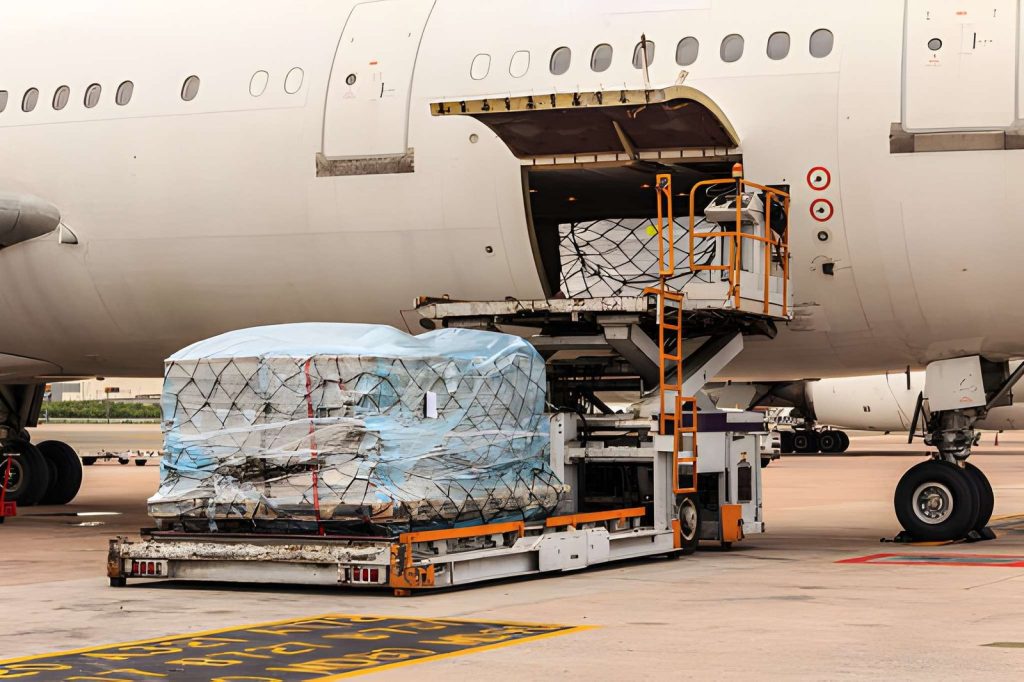
Air cargo is designed for speed and controlled handling through airport networks. It is well suited to urgent spare parts, electronics, samples, pharmaceuticals, fashion launches and compact high-value goods. Pricing is commonly based on chargeable weight, which may be determined by comparing actual weight with volumetric/dimensional weight under the applicable carrier or tariff rules. Large but lightweight cartons can therefore cost more than their scale weight suggests. Capacity also depends on aircraft type, cargo-door dimensions, route frequency and security acceptance.
Sea Freight
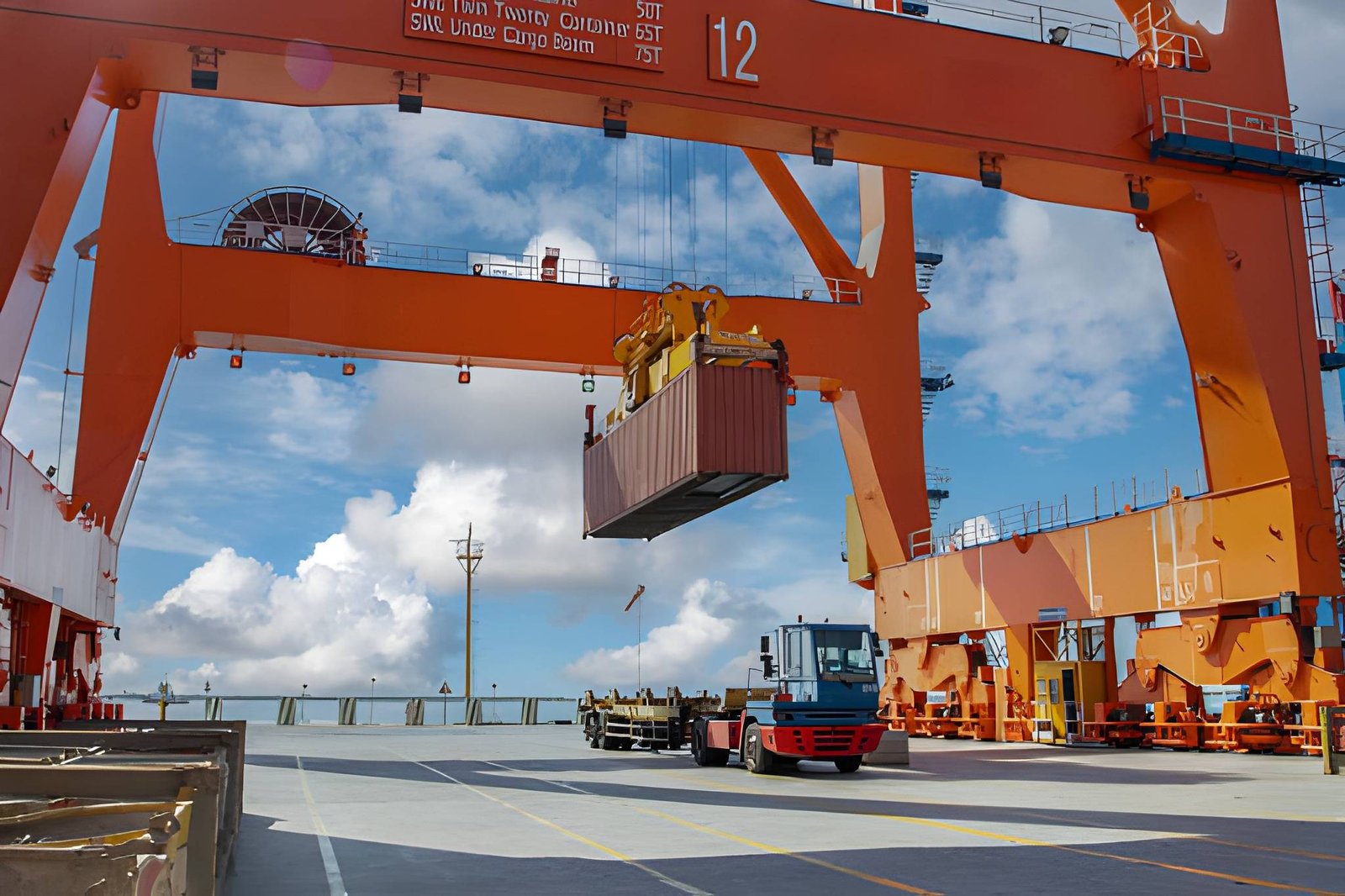
Ocean transport is built for volume and equipment flexibility. Shippers can choose Full Container Load, Less than Container Load, refrigerated containers, open-top equipment or flat racks according to the cargo. Sea freight is commonly used for machinery, raw materials, consumer goods, construction products and regular inventory replenishment. The trade-off is a longer planning cycle that must account for vessel schedules, port cut-offs, transshipment and inland delivery.
For container and special-equipment details, see Navio’s NVOCC box operations page.
International Freight Forwarding
A freight forwarder coordinates the transport chain rather than looking only at the airport-to-airport or port-to-port leg. This can include route selection, booking, documentation, consolidation, customs coordination and delivery planning, depending on the service scope. For many businesses, the best solution is not a permanent preference for one mode but a routing policy that assigns air or ocean freight according to shipment priority.
Mode Selection Principle
As a general planning principle, air freight may be appropriate when the cost or business impact of delay outweighs the additional transport cost. Sea freight may be more suitable when the shipment can accommodate a longer transit window and volume or unit-cost considerations favour ocean transport. Always compare quotations on the same service scope, Incoterm and origin-to-destination basis.
How Freight Cost and Shipment Profile Change the Decision
Freight cost is influenced by more than distance. Air cargo pricing can change with chargeable weight, available uplift, fuel and security charges, special handling and airport fees. Ocean freight can include container or LCL charges, terminal handling, documentation, port storage, equipment surcharges and inland transport. A proper comparison separates predictable transport charges from costs that arise because cargo or documents are not ready before the carrier cut-off.
1. Shipment Urgency and Business Impact
Air freight is appropriate when a delayed component could stop production, when inventory must reach a customer launch, or when a short shelf-life demands faster movement. Sea freight is appropriate for planned replenishment, stable demand and cargo that can move within a wider delivery window. The decision should be tied to the required delivery date, not a generic promise that one mode is always better.
2. Weight, Volume and Equipment Requirements
Compact cargo can be suitable for air even when its commercial value is moderate, but bulky low-density cargo may attract high volumetric charges. Sea freight becomes more efficient as shipment volume increases and offers equipment for cargo that cannot fit standard aircraft or standard dry containers. Accurate dimensions, gross weight, stackability and loading method are required before either mode can be priced correctly.
3. Cargo Type and Compliance
Temperature-sensitive, fragile, restricted and dangerous goods require early classification and carrier acceptance. Air dangerous goods must comply with the applicable IATA Dangerous Goods Regulations (DGR), including requirements for classification, packing, marking, labelling and documentation. For sea freight, the shipper is responsible for providing the Verified Gross Mass (VGM) of a packed container in accordance with SOLAS requirements before loading. Requirements vary by commodity, origin, destination and carrier, so the shipper should confirm them before dispatch rather than after cargo reaches the terminal.
How Navio Supports Air and Sea Freight Planning
Navio Shipping coordinates air freight, sea freight and multimodal movements through its international freight forwarding network. Navio Shipping can review routing options based on shipment dimensions, required delivery date, origin and destination, handling needs and commercial terms. For recurring cargo, businesses may use sea freight for planned replenishment while considering air freight for urgent requirements, critical parts or unexpected demand spikes. All schedules, space and equipment remain subject to carrier availability and final booking confirmation.
For additional industry background, see the IATA cargo operations overview and the UNCTAD Review of Maritime Transport.
Frequently Asked Questions
Is air freight always more expensive than sea freight?
Air freight generally has a higher freight cost per unit of weight or volume than sea freight, particularly for larger shipments, but the full decision should include inventory holding, production-delay risk, packaging, terminal charges and delivery urgency. For a small critical shipment, air freight can be commercially justified even when the freight rate is higher.
When should an exporter choose sea freight?
Sea freight is generally suitable for planned, heavy or high-volume cargo that can move within a longer delivery window. It also provides FCL, LCL, reefer and special-equipment options. The exporter should confirm sailing schedules, cut-offs, documentation and destination costs before booking.
Can one shipment use both air and sea freight?
Yes. A split-shipment strategy can move the urgent quantity by air while the balance moves by sea. This protects immediate supply while controlling the total logistics cost. The two movements should use coordinated documentation, inventory allocation and delivery planning.
Request an Air Freight or Sea Freight Quote
Choose the freight mode that matches your cargo and delivery commitment. Share the origin, destination, commodity, package dimensions, gross weight and required delivery date with Navio Shipping to compare air freight and sea freight options on a consistent origin-to-destination basis.
