


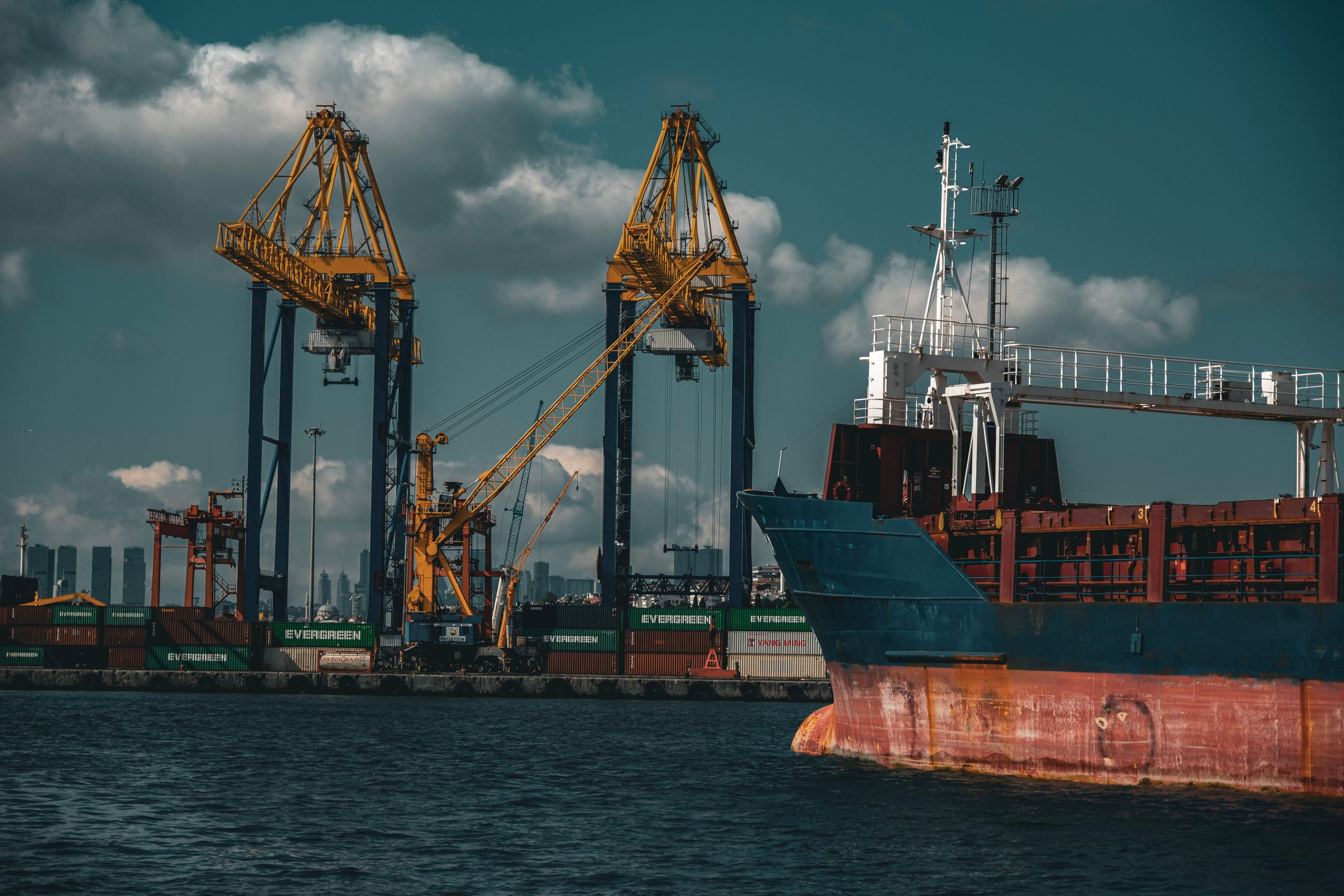
Introduction: The Evolution of Ocean Freight Transport Modes
Breakbulk vs Container Shipping is a key decision for project logistics managers moving structural steel, petrochemical refinery towers, power turbines, locomotives or mining excavators.
Before containerization became widespread in the 1950s, much general cargo was handled as breakbulk: individually packed boxes, barrels, crates and bundles manually loaded into ship holds. The invention of standardized intermodal shipping containers revolutionized global commerce, significantly reduced cargo handling time and improved the efficiency and predictability of international trade.
Today, containerization handles the vast majority of dry goods. However, breakbulk shipping remains vital for cargo that cannot be dismantled or enclosed within container boxes due to extreme weight, length, height or geometry. Choosing between containerization—including special equipment like Flat Racks—and conventional breakbulk vessel stowage is a critical decision affecting project timelines and budgets.
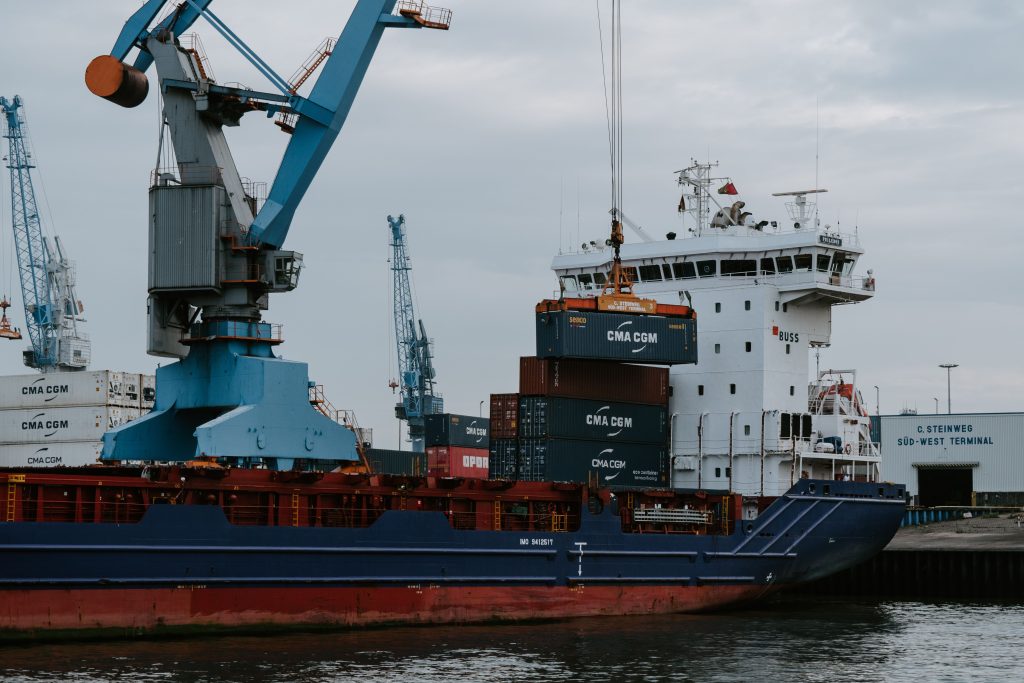
Breakbulk vs Container Shipping: Key Differences
- Container shipping: Goods are stowed inside standardized ISO containers, including standard dry containers and specialized equipment such as reefers, Open Tops and Flat Racks. Containers are moved on high-frequency, scheduled liner services, handled by specialized container gantry cranes, and intermodally transferred across rail, ship and road. For information on freight container classification and dimensions, see ISO’s freight container standards.
- Breakbulk shipping: Non-containerized cargo is handled as individual units or heavy pieces. Cargo is loaded directly into the ship’s hold or lashed on deck using the vessel’s own heavy-lift cranes on geared vessels or heavy shore cranes. Breakbulk vessels include multipurpose vessels (MPVs), roll-on/roll-off (RoRo) ships and heavy-lift project carriers. The IMO’s Code of Safe Practice for Cargo Stowage and Securing provides guidance on safe cargo stowage and securing.
The table compares seven factors in Breakbulk vs Container Shipping, from payload and dimensions to handling, pricing and cargo risk.
| Key Comparison Factor | Container Shipping (FCL / Special Eq) | Breakbulk Shipping (MPV / Heavy Lift) |
|---|---|---|
| Maximum Payload Weight | Depends on container type, equipment specification and applicable gross-weight limits. | Depends on vessel, lifting equipment, port infrastructure and cargo characteristics |
| Maximum Dimension Limits | Constrained by vessel container cell guides | Limited by vessel configuration, hatch/deck dimensions, lifting capacity, port infrastructure and route constraints |
| Sailing Frequency | Scheduled liner services; frequency varies by trade and carrier. | Project-specific or charter-based schedules |
| Cargo Handling | Automated shore gantry cranes | Heavy vessel cranes, spreader beams & slings |
| Freight Pricing Basis | Per container box rate (TEU / FEU) | Per revenue ton (weight ton or measurement ton) |
| Cargo Theft / Damage Risk | Cargo is enclosed and generally benefits from standardized handling procedures | Cargo requires project-specific packing, securing and handling arrangements |
When to Use Container Shipping (Including Special Equipment)
Container shipping is often the preferred option when cargo dimensions, weight, handling requirements and available equipment make containerization practical:
- Standard cargo sizes: Cargo that fits within the applicable container’s internal dimensions and permissible gross weight limits can generally be considered for containerization, subject to equipment and road or port restrictions.
- Predictable schedules: Container liner services operate on weekly, fixed-day sailings with minimal schedule variance.
- Moderate out-of-gauge (OOG) cargo: Cargo slightly exceeding height or width limits can often be accommodated on Flat Racks or Open Tops at significantly lower freight rates than chartering a breakbulk vessel.
When Breakbulk Shipping Is Mandatory
Breakbulk becomes the only viable maritime mode under specific engineering and operational conditions:
- Extreme weight: Cargo exceeding the permissible payload of available container or special equipment may require alternative project cargo or breakbulk solutions, depending on the equipment, vessel, port and transport route.
- Extreme dimensions: Very long or unusually shaped cargo, such as certain wind-turbine components, structural assemblies and industrial vessels, may require specialized project cargo or breakbulk solutions when they cannot be accommodated using available container equipment.
- Port infrastructure limitations: In ports lacking container gantry cranes, geared breakbulk ships with onboard heavy-lift cranes can discharge independently.
The Hybrid Approach: Disassembly and Containerization Engineering
Before committing to high breakbulk charter rates, shippers and their appointed logistics specialists may evaluate whether modular disassembly can make containerization practical, depending on the cargo design and project requirements.
In many cases, dismantling large equipment into sub-assemblies can allow a significant share of the volume to travel in standard dry containers rather than requiring breakbulk charter. This hybrid strategy can meaningfully reduce total logistics costs, depending on the project.
Navio Shipping’s OOG and Project Cargo Solutions
Navio Shipping supports OOG and project cargo movements through its NVOCC and liner agency network. Specialized equipment such as 20ft and 40ft Flat Racks and Open Top containers can be sourced through Navio’s principals and liner agency network, subject to equipment and trade availability.
With access to specialized equipment and ocean freight solutions across its network, Navio can support customers in identifying suitable containerized options for oversized and project cargo movements and coordinating the associated shipping requirements. Learn more about Navio’s project logistics services and NVOCC box operations.
Frequently Asked Questions
How is breakbulk freight priced?
Breakbulk freight may be quoted based on the cargo’s weight, volume, dimensions, handling requirements, stowage requirements and other project-specific factors. Depending on the carrier and trade, rates may be expressed on a weight, measurement or revenue-ton basis.
Is breakbulk shipping more expensive than container shipping?
Not necessarily. Breakbulk can involve higher handling, stevedoring, lifting and port-related costs, but for cargo that cannot be efficiently containerized, it may be the more practical and cost-effective solution. The overall cost depends on cargo dimensions and weight, port requirements, vessel availability, handling arrangements and the specific project route.
Can Navio handle heavy-lift vessel chartering?
Navio can support project cargo requirements through its network of principals, liner agencies and logistics partners. Where specialized breakbulk or heavy-lift vessel solutions are required, the availability and suitability of such services can be evaluated based on the cargo, route, port infrastructure and project requirements.
Commercial Call to Action
Planning an oversized or project cargo shipment? Connect with Navio Shipping for specialized 20ft and 40ft Flat Rack and Open Top equipment, sourced through its principals and liner agency network, along with ocean freight forwarding solutions for OOG and project cargo movements.
Contact Navio Shipping to discuss equipment availability, routing and freight options for your cargo.
